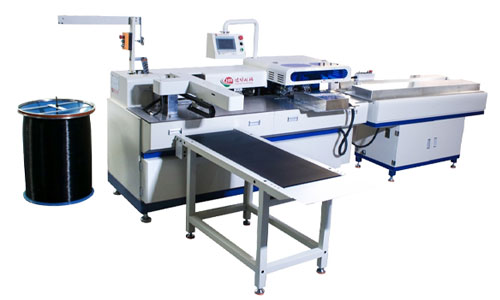
Fully‑automatic binding machines mechanically fasten paper, plastic, leather and other materials with binding staples, hot‑melt glue, nylon tubes and other supplies. When selecting a fully‑automatic binding machine, you need to consider factors such as model and binding thickness for your actual application.
Three Key Factors for Selecting Fully‑Automatic Binding Machines:
1. Binding Specifications of Fully‑Automatic Binding Machine
Binding specifications refer to the maximum punching width and punching area, namely the maximum width between punching holes and the area of a single hole during binding. This indicator is usually measured in mm; punching area is expressed in format such as 3mm*8mm.
2. Binding Thickness of Fully‑Automatic Binding Machine
Binding thickness means the maximum thickness of documents the machine can bind, generally measured in millimeters (mm). Some models are measured by sheet count. Common binding thickness ranges from 20mm to 50mm; special‑purpose models reach 70mm or around 400‑700 sheets. 20mm models fit regular usage. Choose higher‑thickness models for special requirements.
3. Milling Cutter Type of Fully‑Automatic Binding Machine
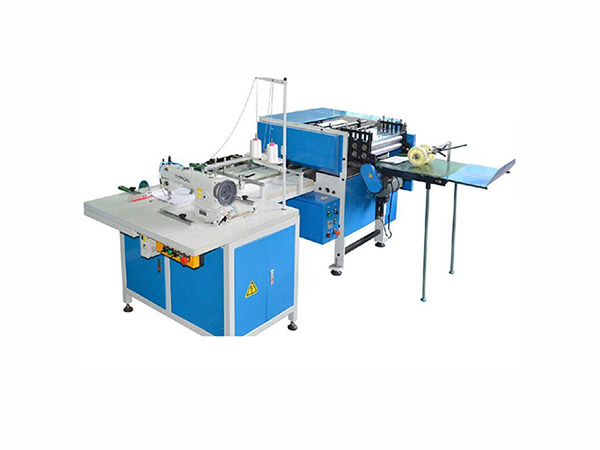
Milling cutter type refers to the mounting style of the internal milling cutter, mainly comb‑type and pull‑out type. Classified by cutter size, there are small milling cutter, large milling cutter, small‑plus‑large milling cutter and sun‑shaped milling cutter. Small milling cutters are ideal for office use. Sun‑shaped milling cutters support deluxe hard‑cover books. Small‑plus‑large milling cutters suit design institutes, universities, copy shops and small‑medium printing houses for short‑run fast binding of books, tender documents and drawings. Please distinguish these types when purchasing. Prefer reliable brands, for example machines from manufacturers with ISO9000 quality certification.
Maintenance & Management of Printing & Binding Equipment
In recent years, with the reform and development of printing industry, post‑press binding has evolved from backward manual work into mechanized, linked and automated workflows with continuously upgraded equipment. Nevertheless, insufficient maintenance skills and poor management often cause machine malfunctions, delayed delivery and defective printed products.